 Skip to content


How to Care for Preserved Roses so They Last Years

Preserved roses are a popular choice for people who want the natural beauty of real flowers without the short lifespan. Unlike fresh-cut roses that last a week or two, preserved roses can remain vibrant for one to three years, and sometimes longer, when looked after correctly.
Understanding how preserved roses work and what conditions they need is the key to getting the most from them. This guide walks through the essential care steps in a practical, straightforward way.
What Are Preserved Roses?
Preserved roses are real roses that have undergone a preservation process. The natural sap inside the flower is replaced with a mixture of glycerin and other plant-based solutions. This keeps the petals soft, flexible, and lifelike without the need for water. You can explore a wide selection of preserved roses at Eternal Blossom to get a sense of the styles and presentations available.
Because they are still natural organic material, they do respond to their environment. Changes in humidity, light, and temperature can all affect how they age over time.
How to Care for Preserved Roses: The Basics
Learn the essentials of caring for preserved roses to keep their beauty lasting for months or even years. Discover simple tips for handling, cleaning, and protecting your roses from damage and fading.
Keep Them Away from Direct Sunlight
UV exposure is one of the main reasons preserved roses fade prematurely. Direct sunlight breaks down the pigments in the petals and causes the colour to become dull or uneven.
Place your preserved roses in a spot that receives natural light but is not in direct sunlight. A shelf on an interior wall, a side table, or a windowless hallway are all suitable options. If you want them near a window, net curtains or blinds can help filter the light.
Avoid High Humidity and Damp Environments
Preserved roses are sensitive to moisture. High humidity causes the petals to absorb water from the air, which makes them feel sticky and can lead to discolouration or mould over time.
Bathrooms and kitchens are not ideal locations. These rooms tend to have fluctuating humidity from steam and cooking. Bedrooms and living rooms with stable temperature and air circulation work much better.
A general humidity level below 60 percent is considered suitable for preserved roses. In particularly humid climates or during summer months, placing them near a dehumidifier or air conditioning unit can help.
Do Not Water Them
This is one of the most common mistakes people make. Preserved roses do not need water. Adding water will cause the preservation treatment to break down and damage the petals.
If you notice dust settling on the petals, use a soft, dry artist's brush or a can of compressed air to gently clean them. Avoid damp cloths or any liquid cleaning methods.
Handle Them Gently
The preservation process keeps petals soft and pliable, but they can still be fragile under pressure. Try to avoid touching the petals directly when possible.
When moving or repositioning them, hold the base or the stem rather than gripping the flower head. If a petal does become slightly bent or displaced, it can sometimes be very gently repositioned with a fingertip.
Keep Them at a Stable Room Temperature
Extreme temperature changes can stress the organic material in preserved roses. Avoid placing them near radiators, open fireplaces, air vents, or areas that experience dramatic shifts between warm and cold.
A consistent room temperature between 15 and 25 degrees Celsius is ideal. Stable conditions help the flowers maintain their structure and colour for longer.
Quick Reference: Preserved Rose Care Summary
| Care Factor | Recommended | Avoid |
|---|---|---|
| Light | Bright, indirect natural light | Direct sunlight or UV exposure lamps |
| Humidity | Below 60% humidity | Bathrooms, kitchens, or steam-prone areas |
| Temperature | 15°C to 25°C (stable room temperature) | Near heaters, air vents, or cold draughts |
| Cleaning | Soft dry brush or gentle compressed air | Water, damp cloths, or cleaning sprays |
| Handling | Hold carefully by stem or base | Gripping or squeezing petals directly |
| Water | No watering required | Never add water |
How Long Do Preserved Roses Last?
With proper care, preserved roses typically last between one and three years. Some people report them lasting even longer in particularly stable environments.
The lifespan depends on several factors, including the quality of the preservation process, the environment in which they are kept, and how frequently they are handled. Roses that are displayed in stable, low-humidity rooms and kept out of sunlight will consistently outlast those placed in less suitable conditions.
The variety of rose you start with also plays a role. Some are specifically treated to hold their appearance for a defined period. If longevity is your main priority, it is worth looking at options that are designed with that in mind. Eternal Blossom offers a range of individual year-lasting long stem roses that are selected and preserved with a full year of display in mind, making them a practical choice for both home decor and gifting.
Choosing a Display Location
The placement of preserved roses matters more than most people initially realise. When choosing a spot in your home, consider the following:
-
Consistency matters. A location that stays roughly the same throughout the year is preferable to one that changes with the seasons.
-
Ventilation helps. Rooms with good air circulation prevent humidity from building up around the flowers.
-
Visibility versus exposure. Prominent display spots near windows may feel appealing, but the light exposure can reduce longevity significantly.
A display case or glass dome can offer an additional layer of protection, especially in homes with children or pets. It reduces both dust accumulation and accidental handling.
Personalised Preserved Roses
Preserved roses are increasingly popular as gifts for anniversaries, birthdays, and significant life events. Part of the reason for this is that they can be personalised in ways that fresh flowers cannot.
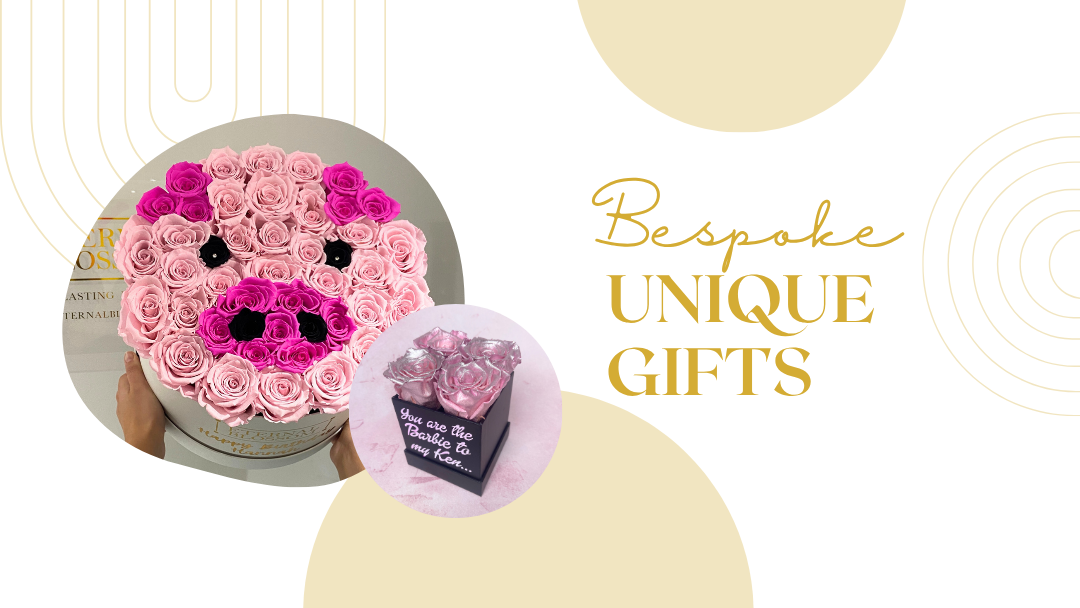
When a gift is meant to mark something meaningful, the presentation often matters just as much as the flowers themselves. Eternal Blossom offers a range of personalised preserved roses that can be tailored with custom packaging and arrangement styles to suit the occasion. Whether it is an anniversary, a birthday, or a gesture of appreciation, a personalised option adds a considered touch that a standard bouquet rarely achieves.
If you are purchasing preserved roses as a gift, it is worth sharing care guidance with the recipient so they can enjoy them for as long as possible.
A Note on Long-Term Expectations
Preserved roses age gracefully when cared for well. Over time, colours may become slightly deeper or more muted, and this is a natural part of how organic material changes. The goal of good care is not to freeze them in time entirely, but to slow the natural ageing process so you can enjoy them for as long as possible.
With a little attention to where and how they are displayed, preserved roses can remain a beautiful part of your home for years. If you have any questions about a specific arrangement or need guidance before purchasing, the Eternal Blossom contact page is a good place to start.
Frequently Asked Questions About Preserved Rose Care
Can I spray my preserved roses with perfume or water to freshen them up?
No. Any liquid, including water or perfume, can damage the preservation treatment. It can make the petals feel sticky, cause discolouration, and shorten their lifespan. If you want to add fragrance to a room, use a diffuser nearby rather than spraying it directly onto the roses.
What should I do if a petal falls off?
Petals can occasionally detach, especially if the roses are handled frequently or exposed to sudden temperature changes. In most cases, this is cosmetic and the rest of the arrangement will remain intact. There is no reliable way to reattach a petal permanently at home.
Do preserved roses smell like fresh roses?
Most preserved roses have little to no natural scent after the preservation process, as the original sap is replaced during treatment. Some products are lightly scented artificially, but this is a feature of the specific product rather than a result of the preservation itself.
Why do my preserved roses feel slightly tacky?
A slightly tacky texture is sometimes caused by high humidity in the environment. Moving them to a drier room usually resolves the issue over time. If tackiness persists or is accompanied by visible moisture, it is a sign the environment is too damp for them.
Where can I find out more or ask questions about a specific product?
Eternal Blossom has a dedicated contact page where you can send product-specific questions or request advice tailored to your situation.



Leave a comment